
Beyond the chatbot: why team-level agents win

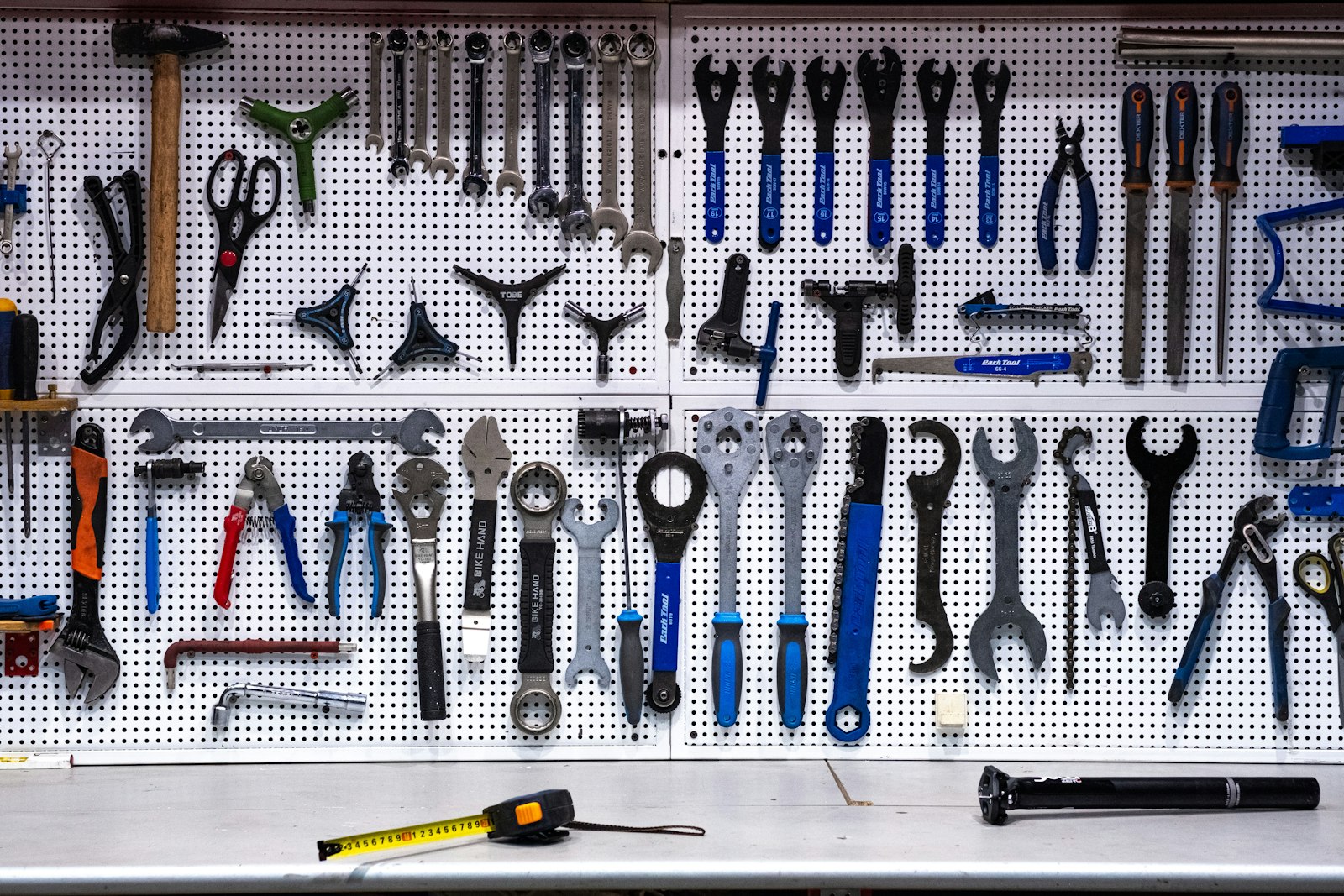
Photo by Anton Savinov on Unsplash
Almost everyone now has a chatbot open in a browser tab. It drafts the email, summarises the thread, cleans up the spreadsheet formula. It is genuinely useful, and it has quietly become part of how a lot of work gets done.
But watch what actually happens. One person types a question, reads the answer, copies it somewhere, and moves on. The intelligence lives for the length of a single conversation and then evaporates. Nothing it learned is available to the colleague sitting next to you. Nothing it did is visible to the team. It has no standing access to the systems where the real work lives, so every task starts by pasting context back in by hand.
That is the ceiling of the siloed chatbot. It is not a model problem. The models are extraordinary. It is a shape problem: a brilliant assistant trapped in one person's tab, starting from zero every time.
The ceiling of the lone assistant
The siloed chatbot has four limits that no amount of model improvement fixes on its own:
- It only knows what you paste. The moment a task touches your ERP, your inbox, your supplier messages or last quarter's orders, someone has to fetch that context and feed it in. The assistant is only ever as informed as the human doing the copy-and-paste.
- It can't actually do anything. It can tell you what to write back to a supplier. It can't send it, log it, or update the record. The last mile, the part that changes the state of your business, always lands back on a person.
- It only moves when you do. A chatbot waits to be prompted. You can't hand it a standing task - "watch this order and tell me the moment the ship date slips" - and trust it to weigh the conditions and act when they are met. It runs when you type, not when the situation demands it. There is no working in the background, no 24/7.
- It doesn't scale past one person. The knowledge and the work stay private to whoever ran the prompt. There is no shared memory, no team standard, no way for the same good judgement to be applied consistently across everyone's orders.
None of that is a criticism of the technology. It is a description of where the technology has been deployed: at the individual, in a silo, with no hands.
Tools and workflows are the unlock
The interesting shift over the last year is not that the models got smarter. It is that they got hands.
The frontier of the field, the direction the whole industry is moving in, is agents that use tools. Instead of only producing text, a modern agent can call out to real systems: read a database, search a set of files, send a message, write a record back. Open standards like the Model Context Protocol exist precisely so that any agent can be given a safe, well-described set of tools and turned loose on real work. Layered on top of that are reusable skills and workflows: encoded procedures that capture how a specific job should be done, step by step, every time.
This is the part people underestimate. A raw model answering a question is impressive. A model with the right tools, running a defined workflow, is a different category of thing entirely. It can gather its own context instead of waiting to be fed. It can take the action instead of recommending it. And because the workflow is written down, it does the job the same disciplined way on the thousandth order as it did on the first.
A chatbot answers. An agent with tools and a workflow gets the job done, and closes the loop.
Tools give an agent reach. Workflows give it judgement that holds up under repetition. Together they take an agent from "helpful in the moment" to "trustworthy at scale".
What "team-level" actually changes
Now put that agent where the team works, not in one person's tab, and everything changes again.
A team-level agent has standing access to the tools and systems the organisation runs on, granted deliberately and scoped carefully. It doesn't wait to be handed context; it already operates inside the sources of truth. It carries shared memory, so a preference set once, or a way of handling a particular supplier, applies for everyone rather than being re-explained in every chat. And it runs on triggers, not prompts: an event arrives, a deadline approaches, a document lands, and the agent acts, without anyone remembering to ask.
That is the leap. The lone chatbot amplifies one person for one conversation. A team-level agent absorbs a slice of the team's work and does it continuously, consistently, and in the open where colleagues can see and check it. The same good judgement, applied everywhere, all the time.
This is why "just give everyone a chatbot subscription" and "run a team-level agent" are not two points on the same line. One is a faster way to type. The other is capacity your team didn't have before.
How Ameba does this for the supply chain
Supply chain operations is where the siloed-chatbot ceiling bites hardest. The work is not one clever answer; it is thousands of small, relentless motions across email, WhatsApp, spreadsheets and your ERP. Chase the supplier for the ship date. Read the certificate that came back. Notice the tech pack that is three days late. Write the confirmed date into the system. No single chatbot session touches any of that, because the context is scattered and the actions are real.
Ameba is built as a team-level agent for exactly this. You onboard it once with your own standard operating procedures, and from then on it runs the work on every order:
- It chases your suppliers on the channels they already use, so nobody has to remember who owes what.
- It reads the details out of every email, message and file that comes back, and every figure traces back to the source it came from. Nothing is invented.
- It acts: alerting you in time, drafting the reply, and writing the result back into your ERP, or generating the import file when writing directly is risky.
Crucially, it works the way a good team-level agent should. It only ever reads the threads and systems you choose, and it never mixes your data with anyone else's. There is no rip-and-replace and no supplier portal to force on anyone; it fits the tools and channels you already use. Your SOPs become the workflow, and the workflow runs the same disciplined way across every order, for the whole team.
The game changer
The move from a siloed chatbot tab to a team-scale agentic workflow is not an incremental productivity bump. It is a change in what the software is.
A chatbot makes one person a little faster at the task in front of them. A team-level agent, with real tools and encoded workflows, takes on the task itself, continuously, across the whole team, plugged into the systems where the work actually happens. That is the direction the whole industry is building toward: tools, skills and workflows that let an agent do the work, not just advise on it.
For supply chain teams, that is the difference between an assistant that helps you keep up and an agent that keeps the orders on track so you don't have to. Growth stops turning into headcount, and a gating document is never the reason you are late.
That is the shift worth making, and it is the one Ameba was built for.